Astrology
 Ayurveda
 Palmistry
 Vastu
Vastu
Views: 2272
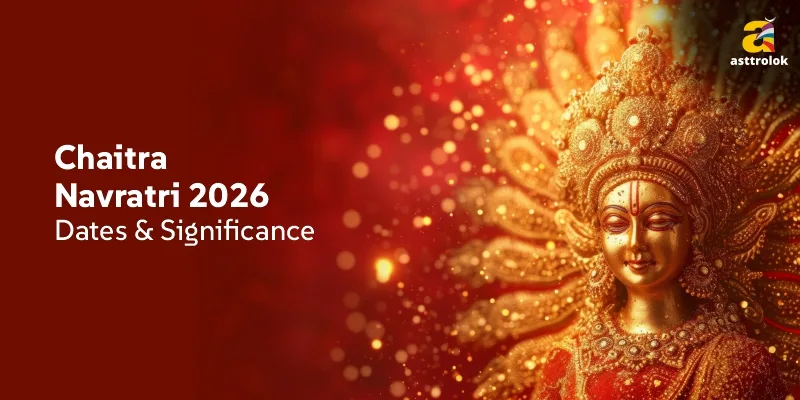
In many Indian homes, the arrival of Navratri brings a subtle shift in energy. The house feels calmer, kitchens prepare simple satvik meals, and the sound of devotional songs fills the mornings. Among the four Navratris celebrated in a year, Chaitra Navratri holds a very special place because it marks the beginning of the Hindu lunar year.
If you are searching for the Chaitra Navratri 2026 date or wondering about the deeper spiritual meaning of this festival, you are not alone. Every year, millions of devotees across India observe this sacred period dedicated to the worship of Goddess Durga and her nine divine forms.
Understanding the Chaitra Navratri significance helps us see the festival not just as a ritual but as a spiritual reset. It is believed to be a powerful time for inner cleansing, devotion, and aligning oneself with divine energy.
Chaitra Navratri 2026 Dates in India
According to the Navratri 2026 Chaitra calendar, the festival will begin in early spring when the lunar month of Chaitra starts. The Chaitra Navratri 2026 start and end date are expected to fall around late March and early April (based on the Hindu lunar calendar). The first day begins with Ghatasthapana, a sacred ritual where devotees establish a kalash and invoke the divine presence of the Goddess.
Many people search for when is Chaitra Navratri 2026 in India because the first day sets the tone for the entire nine-day period of worship and fasting.
Why Chaitra Navratri Is Celebrated
The Chaitra Navratri festival India is closely connected to the victory of divine energy over negativity. Devotees believe this is the time when the Goddess defeated powerful negative forces and restored balance in the universe.
Another reason behind the Chaitra Navratri importance in Hinduism is its connection with renewal. The festival comes at the start of spring, symbolizing new beginnings, spiritual awakening, and hope. In many parts of India, the ninth day of Chaitra Navratri also celebrates the birth of Lord Rama during the festival of Ram Navami.
The 9 Days of Navratri and Their Significance
The 9 days of Navratri and their significance revolve around worshipping different forms of the Goddess, collectively known as Navdurga.
Each day represents a different spiritual lesson:
Day 1 – Shailputri
Symbolizes strength and stability.
Day 2 – Brahmacharini
Represents devotion and patience.
Day 3 – Chandraghanta
Associated with courage and protection.
Day 4 – Kushmanda
Symbolizes creativity and cosmic energy.
Day 5 – Skandamata
Represents motherhood and nurturing.
Day 6 – Katyayani
Connected with determination and bravery.
Day 7 – Kalaratri
Removes fear and negative influences.
Day 8 – Mahagauri
Day 9 – Siddhidatri
Symbolizes wisdom and divine blessings.
Understanding which goddess is worshipped on each day of Navratri helps devotees connect deeply with the spiritual journey of these nine days.
Also Read - Navratri: A Festive Journey into Joys, Divine Pujas, and Traditional Remedies
Chaitra Navratri Rituals and Traditions
Across India, families follow beautiful Chaitra Navratri rituals and traditions that have been passed down through generations.
Common practices include:
Ghatasthapana on the first day
Fasting for nine days or selective fasting
Daily recitation of Durga Saptashati
Lighting a diya continuously for nine days
Kanya Puja on the eighth or ninth day
These rituals reflect devotion but also discipline. The Navratri fasting benefits and rules are believed to purify both body and mind. For those interested in learning the deeper astrological meaning behind such traditions, structured online astrology classes offer a detailed understanding of festival timing and planetary influences.
Astrological Importance of Chaitra Navratri
From an astrological perspective, Chaitra Navratri occurs during a time when cosmic energies support transformation. Many astrologers believe it is one of the most powerful periods for spiritual practices.
At Asttrolok, founded by Mr. Alok Khandelwal ji, these festival periods are studied not only for their spiritual value but also for their planetary influence on human life. During Navratri, many people seek guidance through online consultation with astrologers to understand how these cosmic shifts may influence their personal life cycles. Some devotees also explore their life patterns through a personalized Kundali to align their spiritual practices with their birth chart.
Tips for Observing Chaitra Navratri
If you want to experience the spiritual energy of Navratri more deeply, keep these simple tips in mind:
Begin each day with a short prayer or meditation
Maintain a calm and positive mindset
Offer simple satvik food to the Goddess
Avoid unnecessary arguments or negativity
Spend time reading sacred texts
Navratri is less about strict rituals and more about inner alignment.
चैत्र नवरात्रि केवल पूजा का समय नहीं है, बल्कि आत्मशुद्धि और नई शुरुआत का भी अवसर है। इन नौ दिनों में साधना, संयम और सकारात्मक सोच को अपनाना जीवन में नई ऊर्जा ला सकता है। जब मन, वचन और कर्म में संतुलन आता है, तब देवी की कृपा का अनुभव अधिक गहराई से होता है।
Conclusion
Chaitra Navratri is more than a festival. It is a spiritual invitation to pause, reflect, and reconnect with divine energy. Each of the nine days carries a deeper message about discipline, devotion, and inner transformation.
At Asttrolok Institute, founded by Mr. Alok Khandelwal ji, the philosophy of astrology is closely connected with these sacred traditions. Festivals like Navratri are seen not only as cultural celebrations but also as moments when cosmic rhythms align with human life.
Many students and spiritual seekers continue exploring these ancient insights through our Institute, where Mr. Alok Khandelwal ji has dedicated years to spreading authentic knowledge of Vedic astrology and spiritual wisdom. As Chaitra Navratri 2026 approaches, take it as an opportunity to slow down, embrace devotion, and welcome a new cycle of positivity into your life.
Frequently Asked Questions
What is the Chaitra Navratri 2026 date in India?
Chaitra Navratri 2026 in India is expected to begin in late March according to the Hindu lunar calendar. The festival lasts for nine days and ends with Ram Navami, marking the birth of Lord Rama.
Why is Chaitra Navratri important in Hinduism?
The importance of Chaitra Navratri in Hindu culture lies in the worship of Goddess Durga and the celebration of spiritual renewal. It marks the start of the Hindu lunar year and represents the victory of divine energy over negativity.
What is the Ghatasthapana muhurat for Chaitra Navratri 2026?
The Ghatasthapana muhurat for Chaitra Navratri 2026 falls on the first day of the festival. It is considered the most auspicious time to establish the sacred kalash and begin Navratri rituals.
Can we fast during all nine days of Navratri?
Yes, many devotees observe fasting for all nine days. However, some choose to fast only on the first and last day. The Navratri fasting rules vary based on family traditions and personal devotion.
Which goddess is worshipped on the first day of Navratri?
The first day of Navratri is dedicated to Goddess Shailputri, the first form of Navdurga. She symbolizes strength, stability, and the grounding energy that begins the spiritual journey.
What are the main rituals of Chaitra Navratri?
Common rituals include Ghatasthapana, daily prayers to Goddess Durga, fasting, recitation of sacred texts, and Kanya Puja on the eighth or ninth day.
Comments (0)
.webp)
Categories
Recent posts
भाग्यांक कैसे ...
30 Aug 2023
Importance of Bhakoot Koota in Kundali ...
30 Aug 2023